Broadleaf Weeds in St. Augustine, FL: Identification and Weed Control Guide
Broadleaf weeds in St. Augustine lawns in NE Florida are a year-round challenge. If you own a St. Augustine grass lawn in St. Augustine, FL, understanding which broadleaf species invade your turf and when is the first step toward effective weed control in St. Augustine, FL. Homeowners who skip this step often apply the wrong products at the wrong time, which is why professional weed control in St. Augustine, FL, produces more consistent results than guesswork.
What Are Broadleaf Weeds, and Why Do They Stand Out?
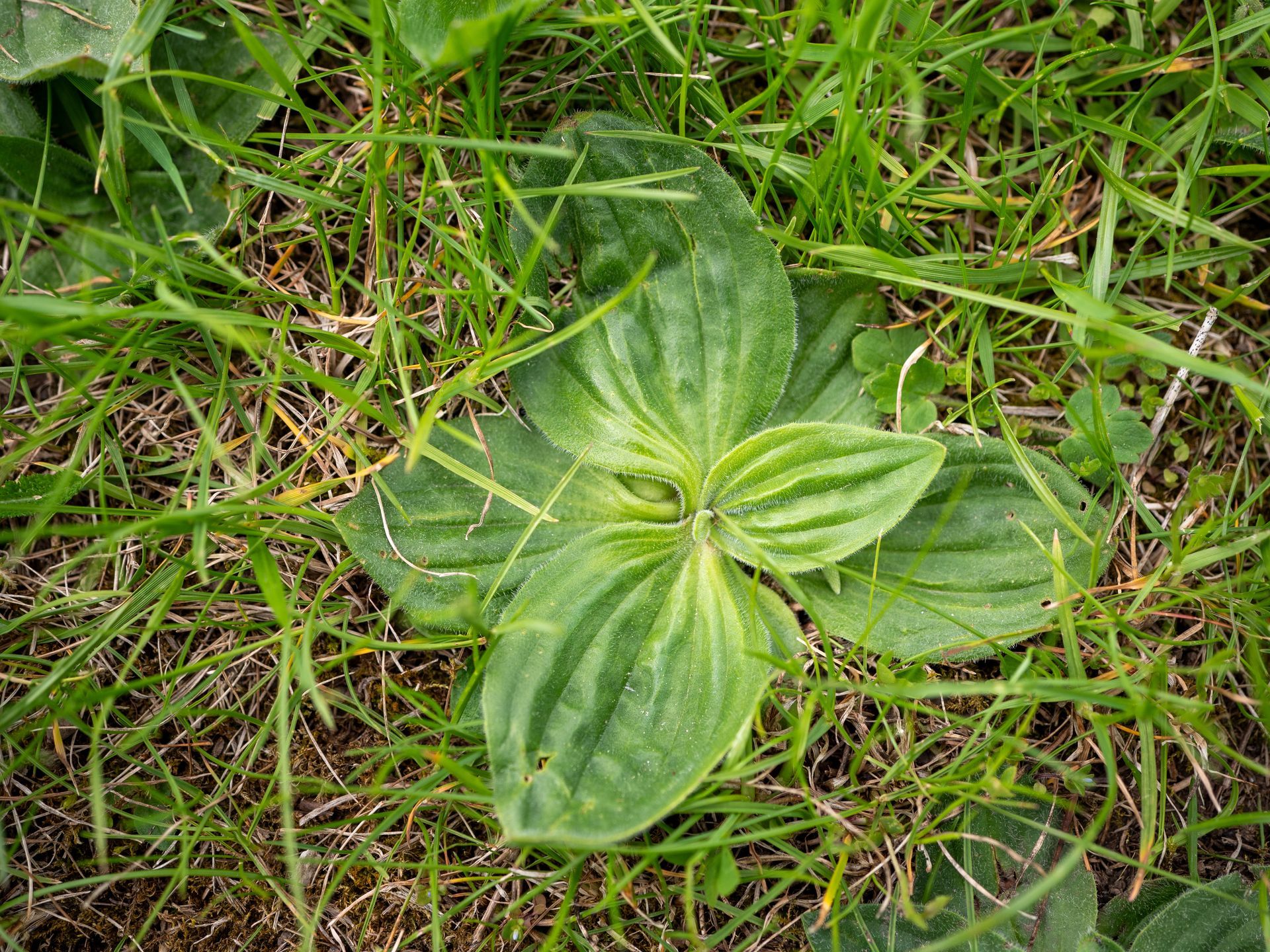
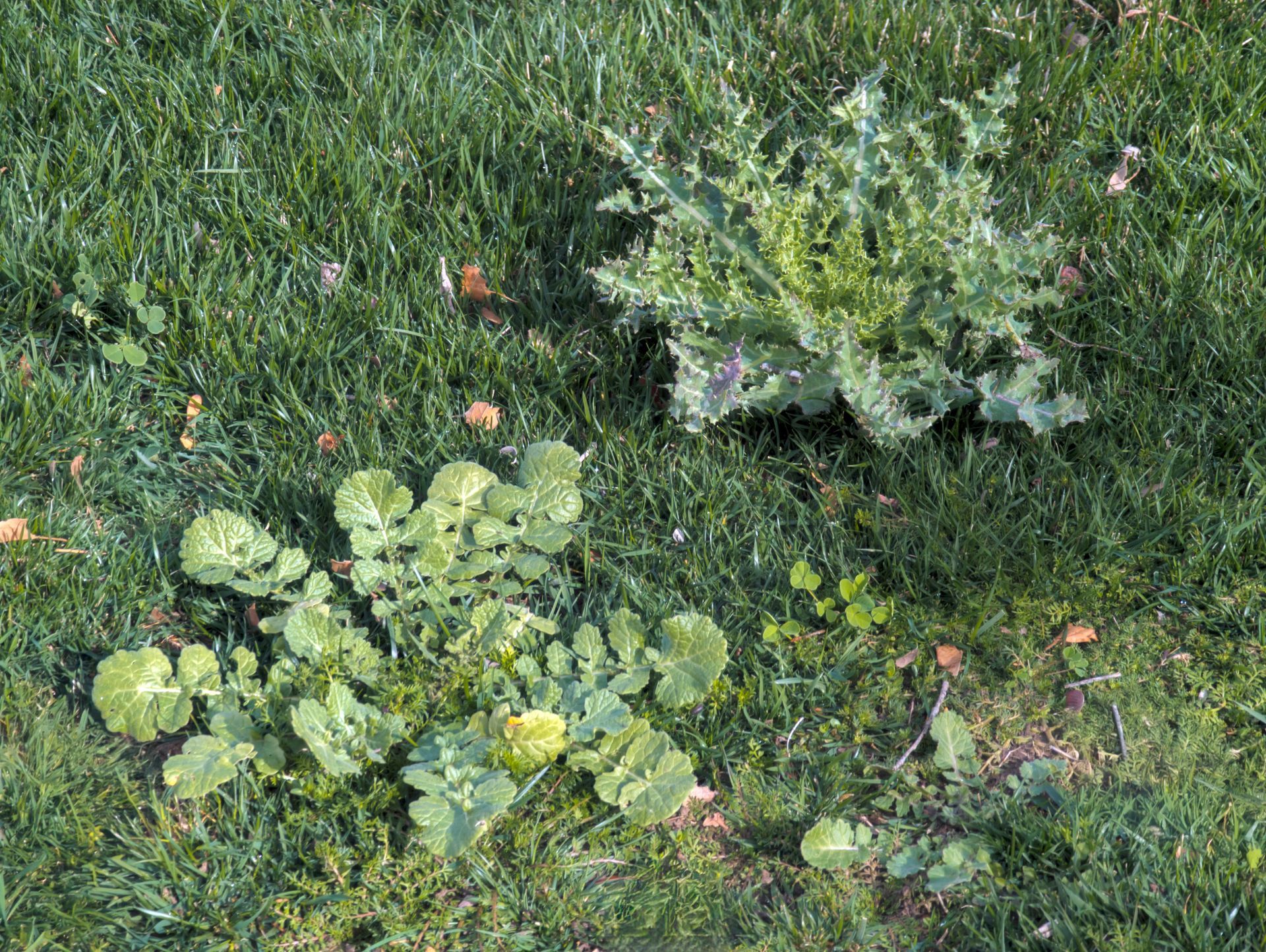
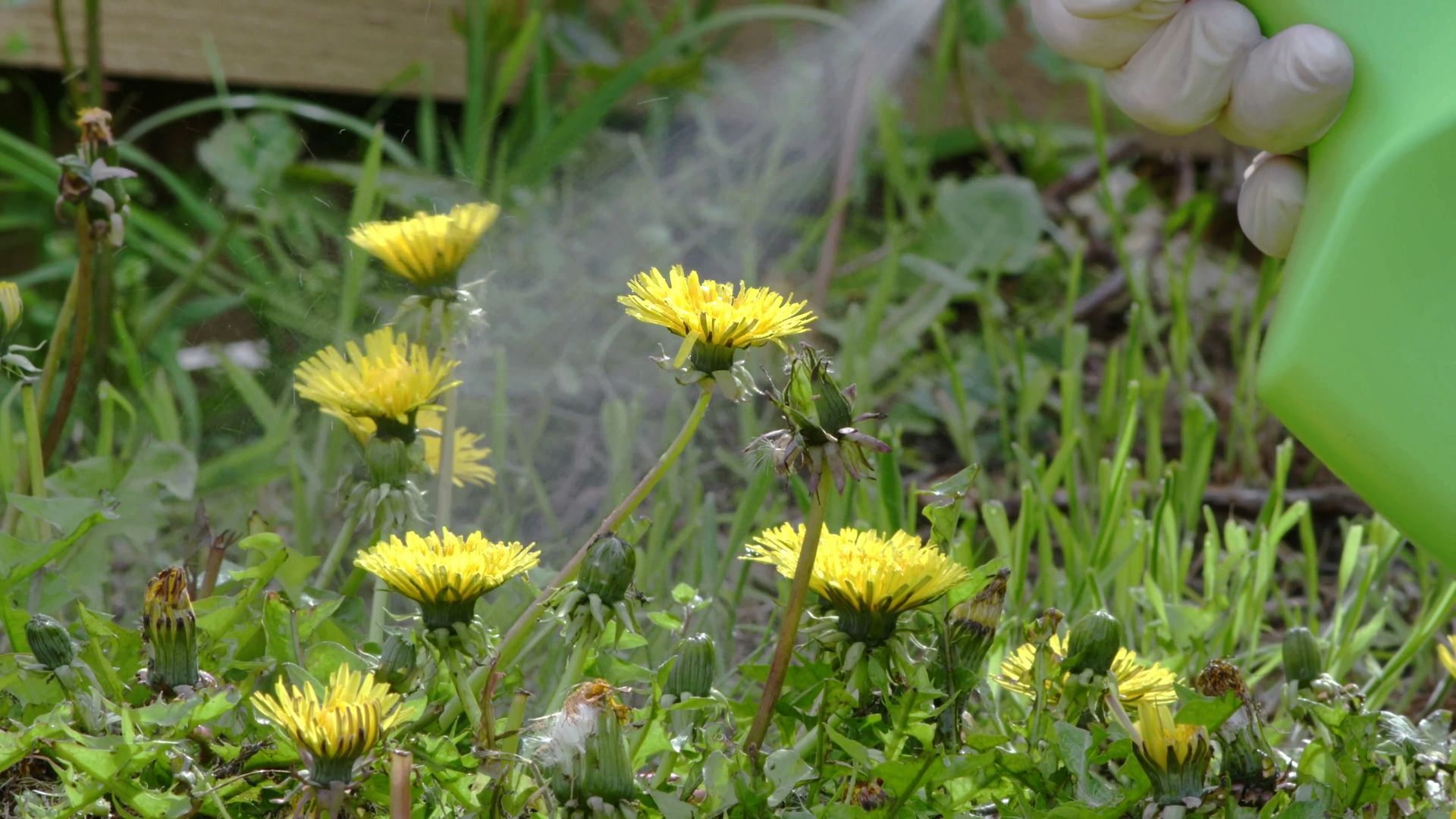
Broadleaf weeds are a distinct category of lawn invader most homeowners can recognize at a glance. Unlike grassy weeds, which mimic turf with narrow blades and parallel veins, broadleaf weeds have wide, flat leaves with net-like veins and often produce noticeable flowers. Examples common to Florida lawns include spotted spurge, clovers, Florida pusley, beggarweed, and henbit.
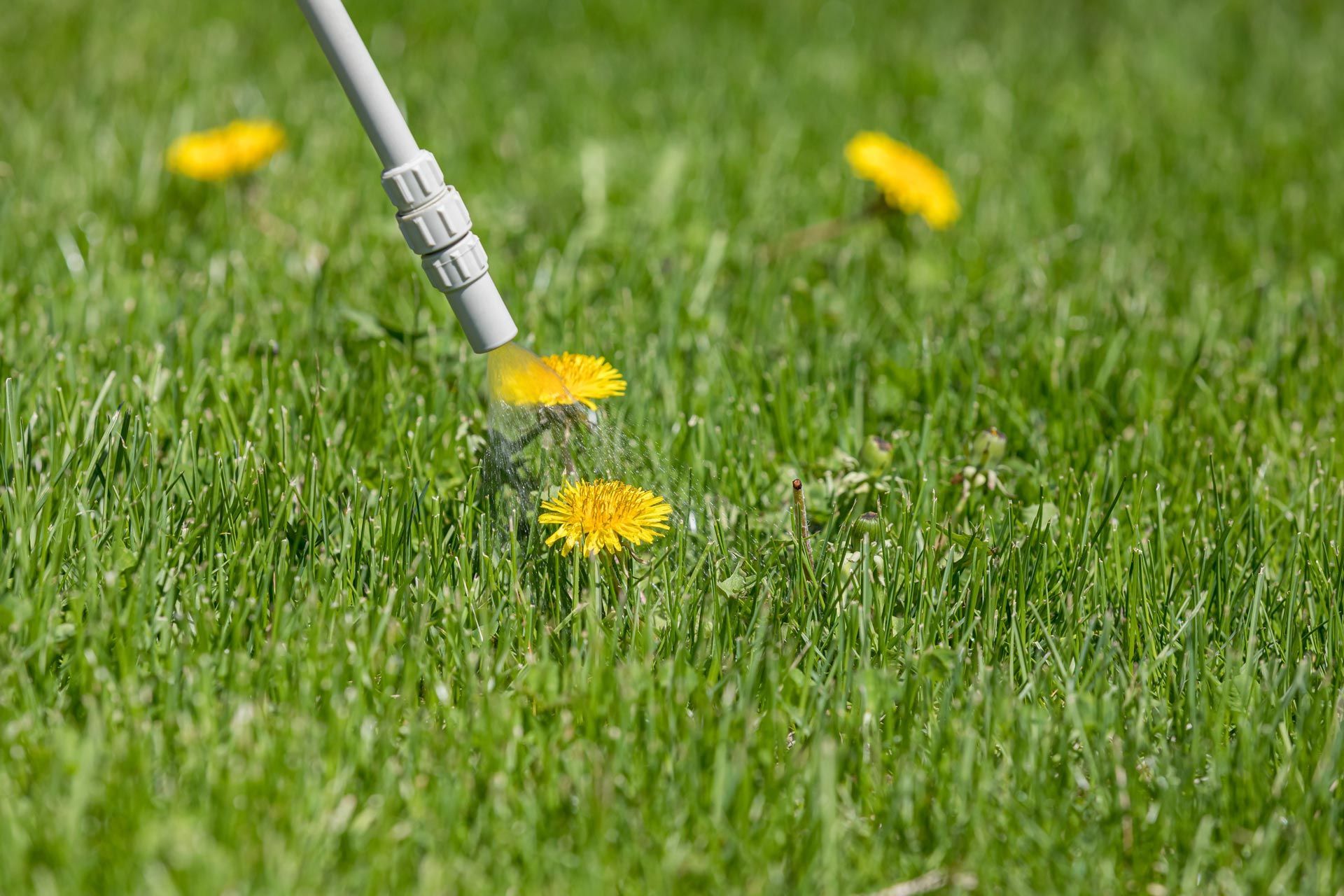
That wide leaf structure makes broadleaf species identifiable and allows a single targeted herbicide class to address an entire group. Because their shape differs clearly from St. Augustine grass blades, selective broadleaf herbicides can attack them while leaving your warm-season turf intact. Even so, timing and product selection require precision, especially in sensitive varieties like Floratam and Palmetto.
Which Broadleaf Weeds Commonly Invade St. Augustine Lawns in NE Florida?
Northeast Florida lawns face a rotating cast of broadleaf invaders tied to seasonal temperature and rainfall patterns. Here are the four most common culprits.
Dollarweed (Pennywort)
Dollarweed features perfectly round, shiny leaves with scalloped edges resembling silver dollars, typically one to two inches in diameter. This perennial grows from rhizomes, tubers, and seed, making it persistent once established. It is most problematic during the wet season from May through October, thriving wherever drainage is poor or irrigation runs too long.
Spotted Spurge
Spurge is a fast-spreading summer annual that grows flat to the ground, with small oval leaves on reddish stems. Break a stem and milky white sap appears. Spurge surges in hot, dry, sunny patches where St. Augustine grass is already thinning or stressed, typically emerging in late spring and spreading rapidly through summer.
Florida Pusley
Florida pusley is a persistent summer annual recognizable by clusters of tiny white flowers. It thrives in sandy soil and full sunlight, making Northeast Florida's coastal and inland soils an ideal environment. Because it spreads through both seeds and rhizomes, it can cover large patches quickly, and deep taproots make hand-pulling incomplete. Pusley is typically visible from late spring through early fall.
Oxalis (Yellow Woodsorrel)
Oxalis is recognized by heart-shaped leaves in groups of three and bright yellow flowers. It spreads through seed heads and rhizomes, making it persistent even after mowing. Oxalis tends to appear in stressed or nitrogen-deficient lawns and can emerge in cooler weather as well as during spring warm-up. A pre-emergent applied in late January or February can help prevent spring and summer emergence of oxalis and spurge together.
When Do These Weeds Emerge in Northeast Florida?
For summer annuals like spurge and Florida pusley, UF/IFAS Extension recommends applying pre-emergent herbicide in February when daytime temperatures reach 65 to 70 degrees Fahrenheit for four to five consecutive days. A second application six to eight weeks later extends that barrier into summer. For winter annuals like henbit and chickweed, pre-emergent applications in October are more appropriate, as these germinate in cooler conditions and remain visible through early spring.
Dollarweed and oxalis require a different strategy because they are perennials that persist year-round through underground root structures. Post-emergent applications are often necessary once these weeds are actively growing, and correcting irrigation or drainage issues helps prevent dollarweed from returning. Staying ahead of these perennials is one reason a seasonal program for weed management outperforms reactive applications alone.
Does DIY Weed Control Work for Broadleaf Weeds in St. Augustine Grass?
DIY broadleaf control can work for small, isolated patches but carries real risk in St. Augustine turf. Some three-way broadleaf herbicide mixes contain 2,4-D, which St. Augustine grass is sensitive to and which requires careful mixing rates per label directions. Applying herbicides when temperatures exceed 90 degrees Fahrenheit or when grass is drought-stressed can also cause turf injury.
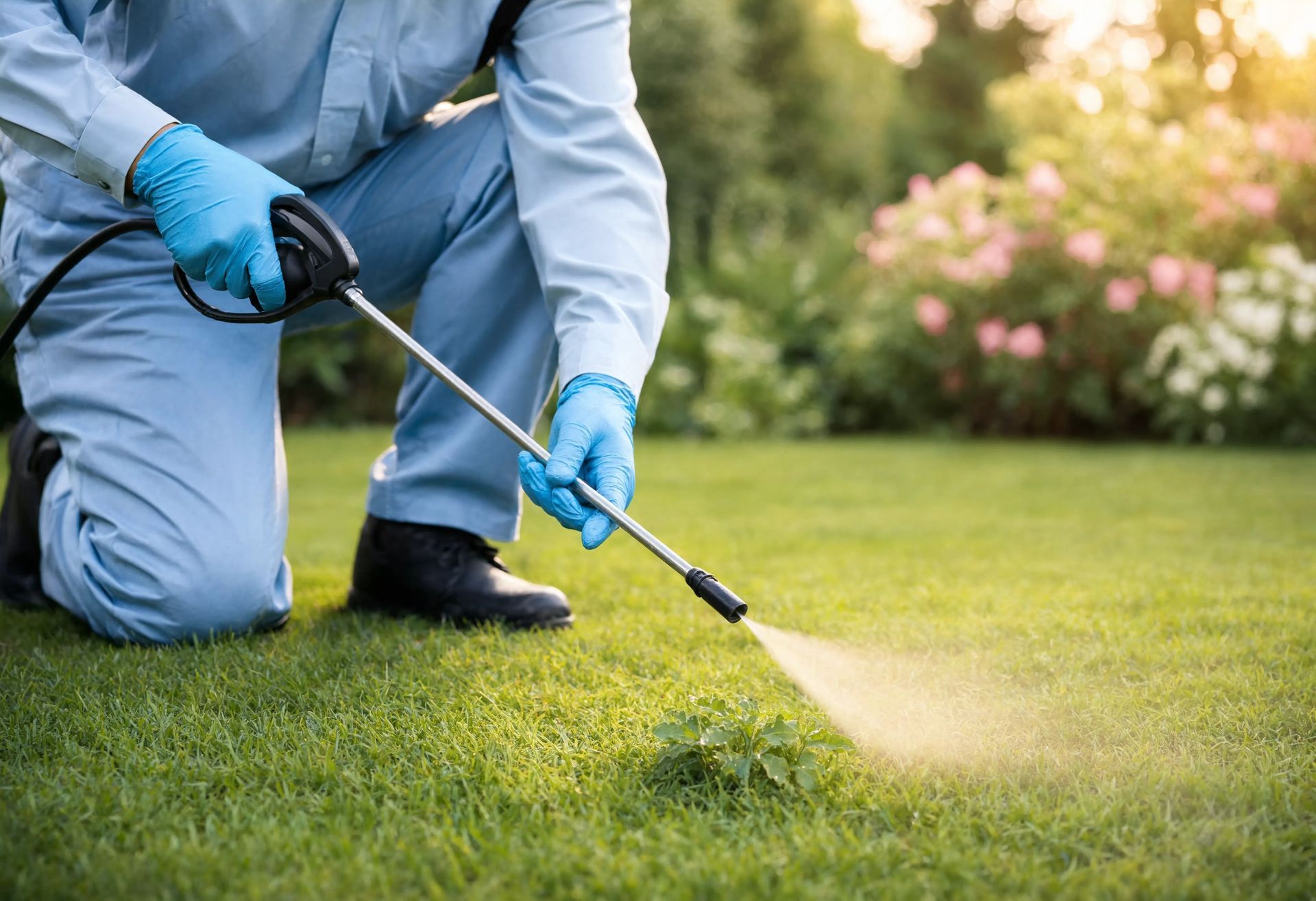
Professional applications differ in several important ways. A trained technician identifies each weed species accurately, confirms the product is labeled safe for your specific St. Augustine variety, and applies it at the correct rate and temperature window. Programs combining pre-emergent and post-emergent applications on a seasonal schedule produce far more consistent results than reactive spot applications. This is why so many St. Augustine homeowners turn to professional weed control in St. Augustine, FL, rather than store-bought options.
For specific guidance on broadleaf and broadleaf weed management for your St. Augustine lawn, visit our lawn care services page.
What Is the Difference Between Broadleaf Weeds and Grassy Weeds?
Broadleaf weeds have wide, flat leaves with net-like veins and often produce visible flowers. Grassy weeds have narrow blades with parallel veins and closely resemble turf grass. Each type requires a different herbicide class, so correct identification matters before any application is made.
Is Atrazine Safe for St. Augustine Grass?
Atrazine can be used on St. Augustine grass and is effective against a range of broadleaf weeds when applied correctly. Follow label instructions carefully regarding concentration, timing, and temperature to avoid turf injury. Consulting a lawn care professional helps ensure safe and effective use for your specific lawn.
Why Do Broadleaf Weeds Keep Coming Back Every Year?
Many broadleaf weeds, such as dollarweed and oxalis, are perennials that survive through underground root systems and rhizomes. Others, like spurge and pusley, produce prolific seeds that persist in the soil. Without a consistent seasonal program combining pre-emergent prevention and post-emergent applications, reinfestation is likely each growing season. Reliable weed management depends on addressing both visible weeds and the seeds waiting in the soil below.
Take the Guesswork Out of Broadleaf Weed Control
B&B Exterminating Company, Inc., serving St. Augustine, FL, offers professionally tailored lawn care programs that address broadleaf weed pressure throughout every season using both pre-emergent and post-emergent applications matched to your turf's needs.
Ready to stop fighting the same weeds every year? Contact us to request a free quote, or call (904) 389-3323 to speak with a lawn care professional today. You can also find us and read local reviews at B&B Exterminating Company, Inc..