Weed Control in St. Augustine, FL, Lawns: The 6 Most Common Weeds and How to Beat Them in 2026
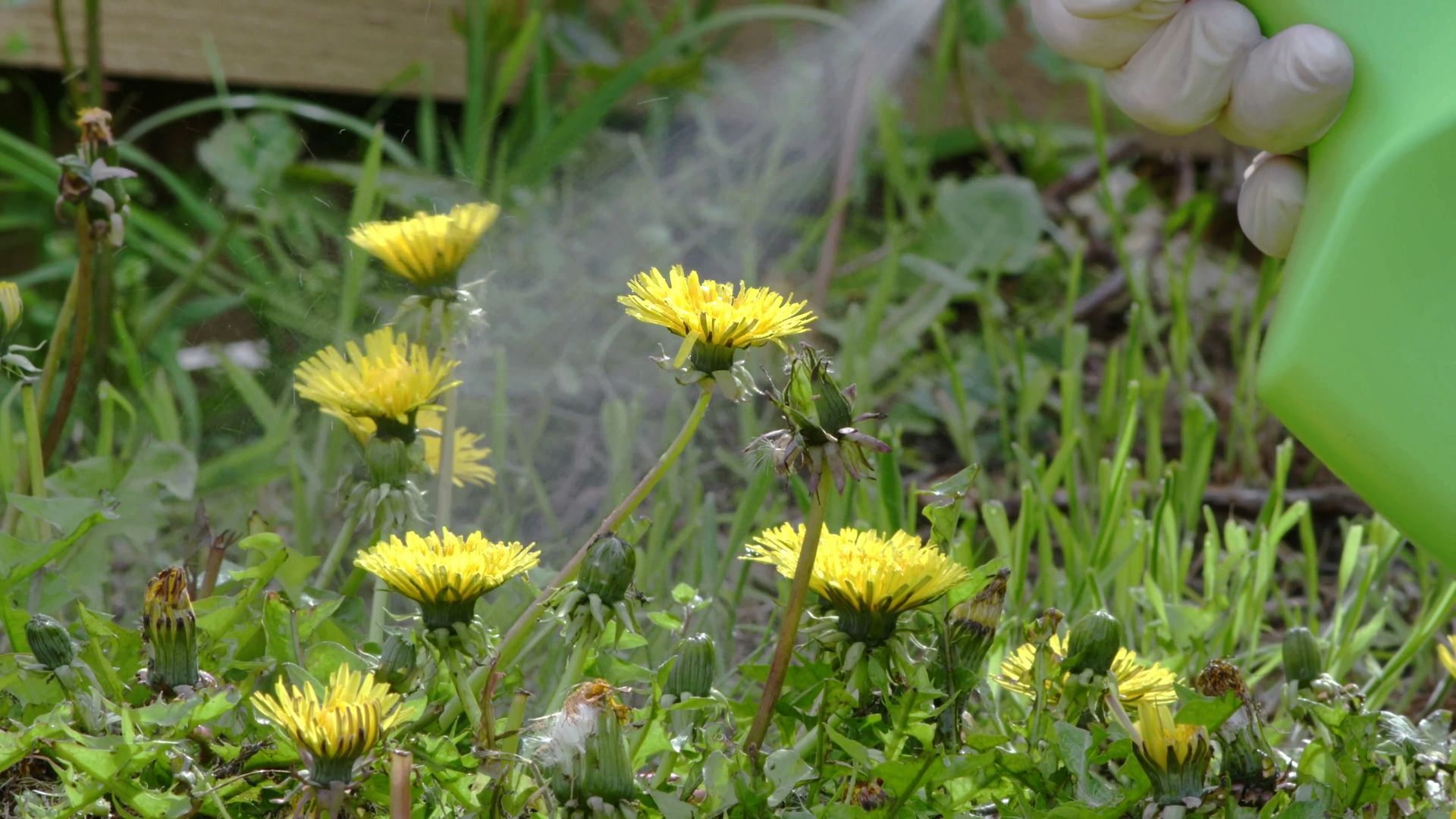
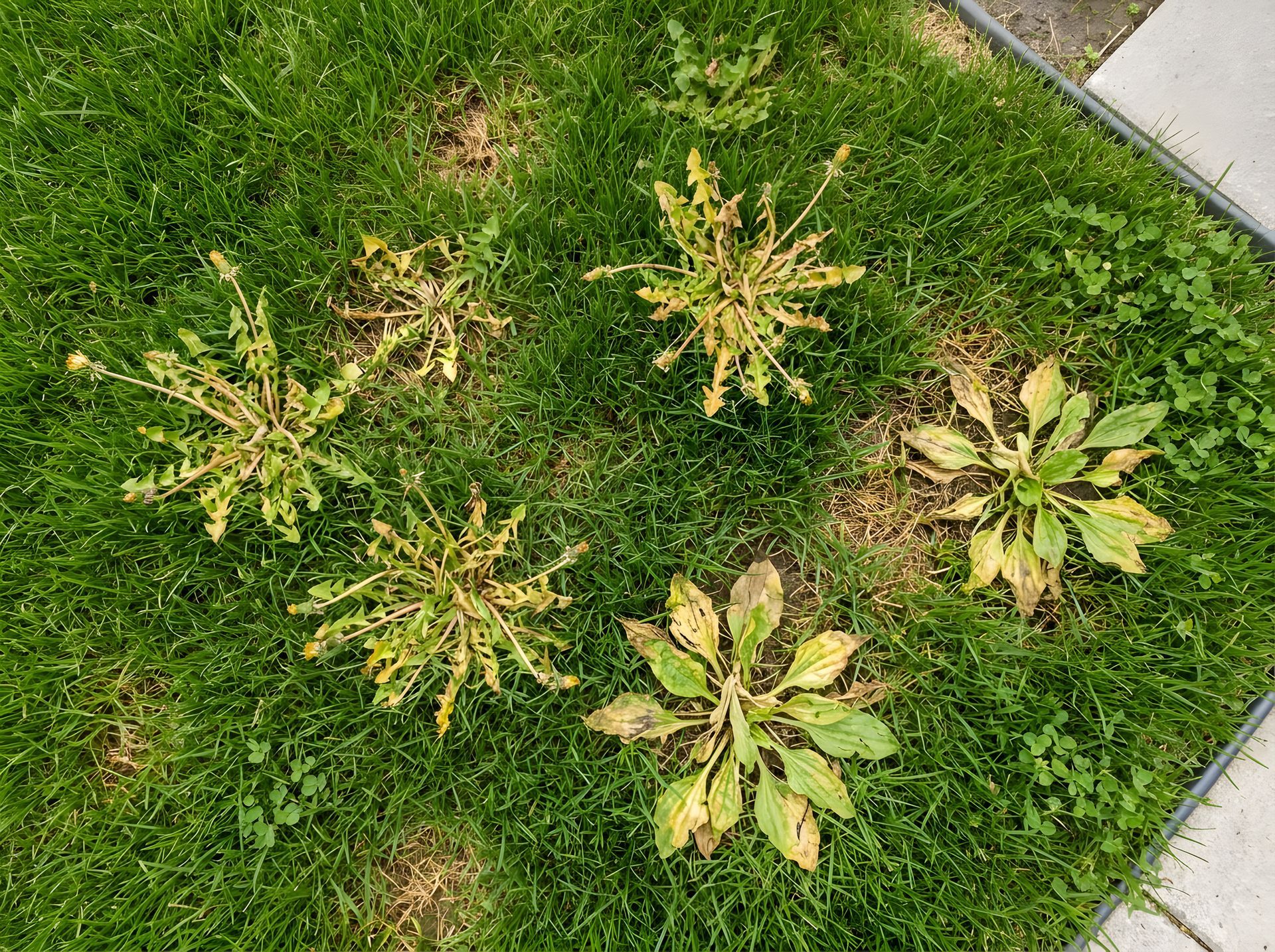
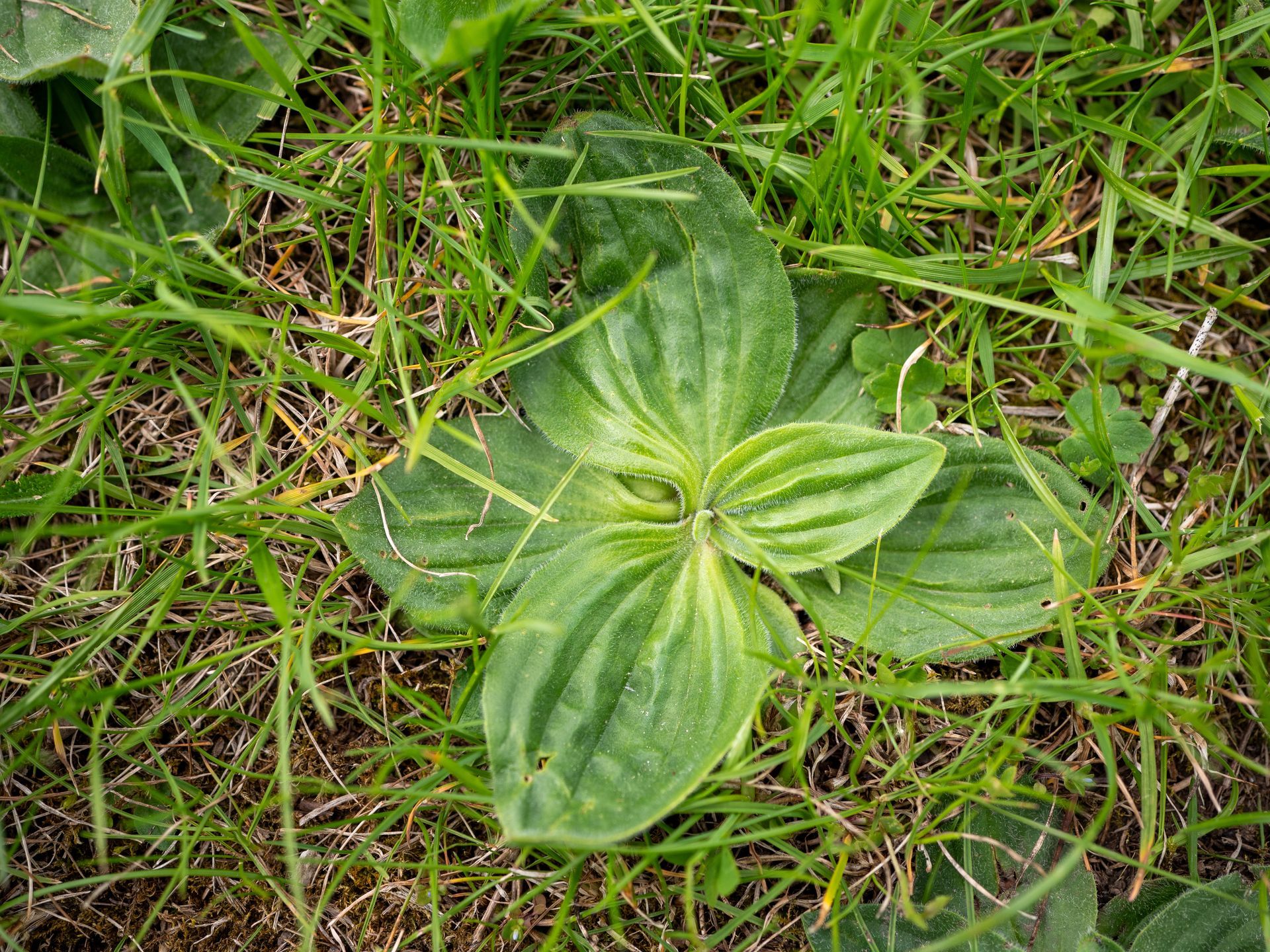
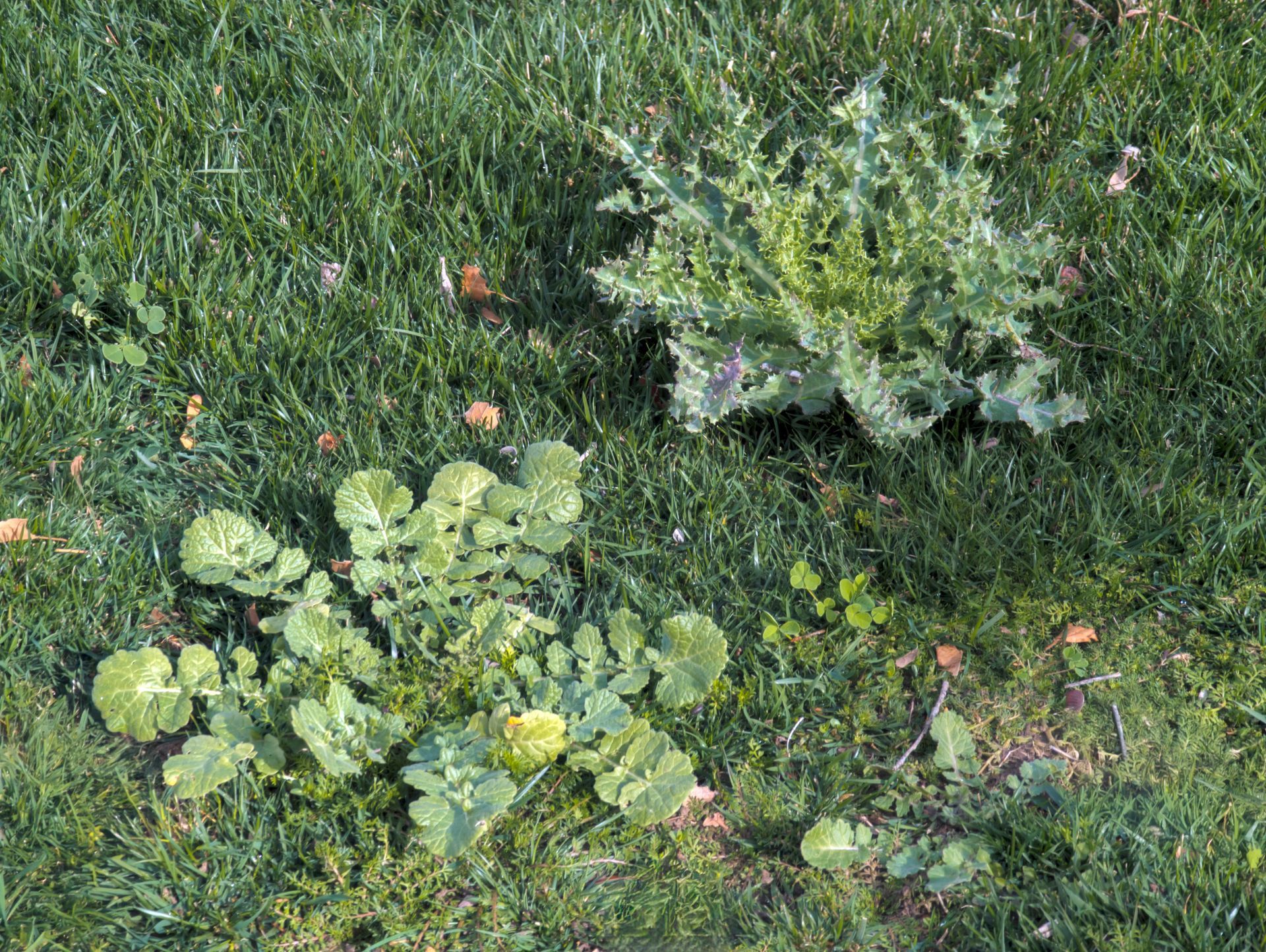
St. Augustine, FL, lawns face a constant battle with unwanted invaders, and knowing what you are up against is the first step toward effective lawn care. This guide covers the six most common weeds in NE Florida lawns, how to spot each one, when they show up, and what you can do to beat them in 2026.
The 6 Most Common Weeds in St. Augustine, FL, Lawns
Crabgrass
Crabgrass is the most common summer annual weed in Florida lawns and can quickly overtake your grass if left unchecked. Look for light green, wide blades that fan out low to the ground. Applying a pre-emergent herbicide in early to late spring will limit germination and make it easier to manage through summer.
Dollarweed (Pennywort)
Dollarweed is a perennial broadleaf weed common in areas with poor drainage and excess moisture. Its round, coin-shaped leaves are easy to spot in low-lying or over-irrigated spots. Proper mowing, watering, and post-emergent treatments during active growth keep it in check.
Nutsedge
Nutsedge stands out with bright, shiny green leaves and triangular stems that grow taller and faster than your turf. It peaks from May to September. A selective post-emergent herbicide targeting sedges can manage it without harming surrounding grass.
Chamberbitter
Chamberbitter resembles a mini-mimosa tree, with rows of tiny leaflets along its stems and small green seed balls hidden on the undersides. It emerges in late spring and persists through summer. Both pre-emergent and post-emergent herbicides help control it before it sets seed.
Doveweed
Doveweed closely mimics St. Augustine grass with its shiny, rubbery leaf texture, making it easy to overlook. It thrives in wet conditions, so ensuring proper drainage and avoiding overwatering are the most effective ways to keep it from spreading.
Florida Pusley
Florida Pusley is a persistent summer annual broadleaf weed identifiable by clusters of tiny white flowers. It spreads through seeds and rhizomes, so pre-emergent applications are key. Its deep taproot can make post-emergent control more difficult.
What Is the Best Seasonal Weed Control Schedule for St. Augustine, FL, Lawns?
A timed approach can significantly reduce weed pressure each season. Here is a general calendar based on NE Florida's climate:
▸ Winter (Dec-Feb): Scout for cool-season weeds like chickweed and annual bluegrass. Apply pre-emergent before soil temperatures drop below 55°F.
▸ Early Spring (Mar-Apr): Apply pre-emergent when temperatures rise above 55°F to stop crabgrass and Florida Pusley before they emerge.
▸ Late Spring/Summer (May-Sep): Target nutsedge, doveweed, chamberbitter, and dollarweed with post-emergent treatments during active growth. Reducing irrigation discourages dollarweed spread.
▸ Fall (Oct-Nov): Apply a second pre-emergent round to block winter annuals. Overseed bare patches so weeds cannot take hold.
Does a Thick Lawn Really Prevent Weeds?
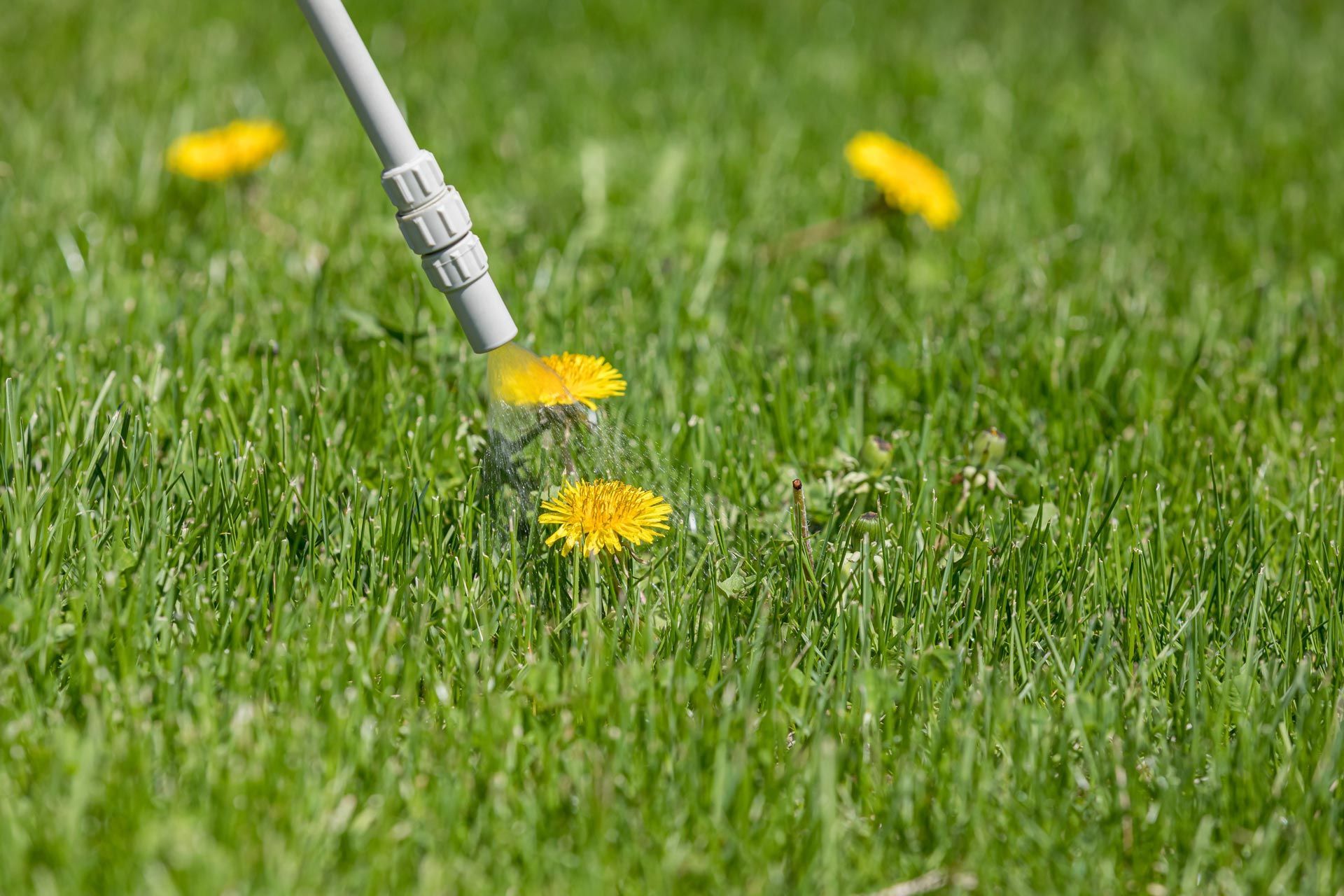
Yes. Dense turf shades the soil and leaves little room for weed seeds to germinate. Regular fertilization supports vigorous growth, and a proper lawn care program combines feeding with targeted weed management for best results.
Get Professional Weed Control Serving St. Augustine, FL
B&B Exterminating Company, Inc. offers professional weed control serving St. Augustine, FL, blending pre-emergent and post-emergent strategies into a seasonal program tailored to St. Johns County's sandy soils and humid climate. To get started, contact the team online or call (904) 389-3323 for a free quote.
You can also find B&B Exterminating Company, Inc.
on Google to read reviews from your neighbors.