Lawn Weed Control in Jacksonville, FL: How to Adjust Your Weed Control Plan After a Wet Summer
A wet summer in Jacksonville, FL, can throw off even the most carefully planned lawn care routine, making lawn weed control in Jacksonville, FL, a bigger challenge than many homeowners expect. At B&B Exterminating Company, Inc., we see this every season. When weeks of daily afternoon storms roll through Duval County from June through September, the extra moisture does more than keep the grass green. It also creates near-perfect conditions for some of the most stubborn broadleaf weeds in Northeast Florida. If your St. Augustine lawn looked fine in May but now has patches of round-leafed invaders and unfamiliar growth, you are not alone, and you are not out of options. Call us at (904) 389-3323 to get started with a weed control plan built for Jacksonville's conditions.
Why a Wet Summer Changes Everything for Your Lawn
Heavy summer rainfall shifts the entire weed timeline in Jacksonville. The city typically receives the bulk of its yearly rainfall between June and September, with storm systems pushing frequent downpours across neighborhoods from Ortega to Arlington and out to the Beaches. That sustained moisture softens the soil, pushes nutrients deeper into the sandy ground, and hands moisture-loving weeds exactly what they need to establish and spread.
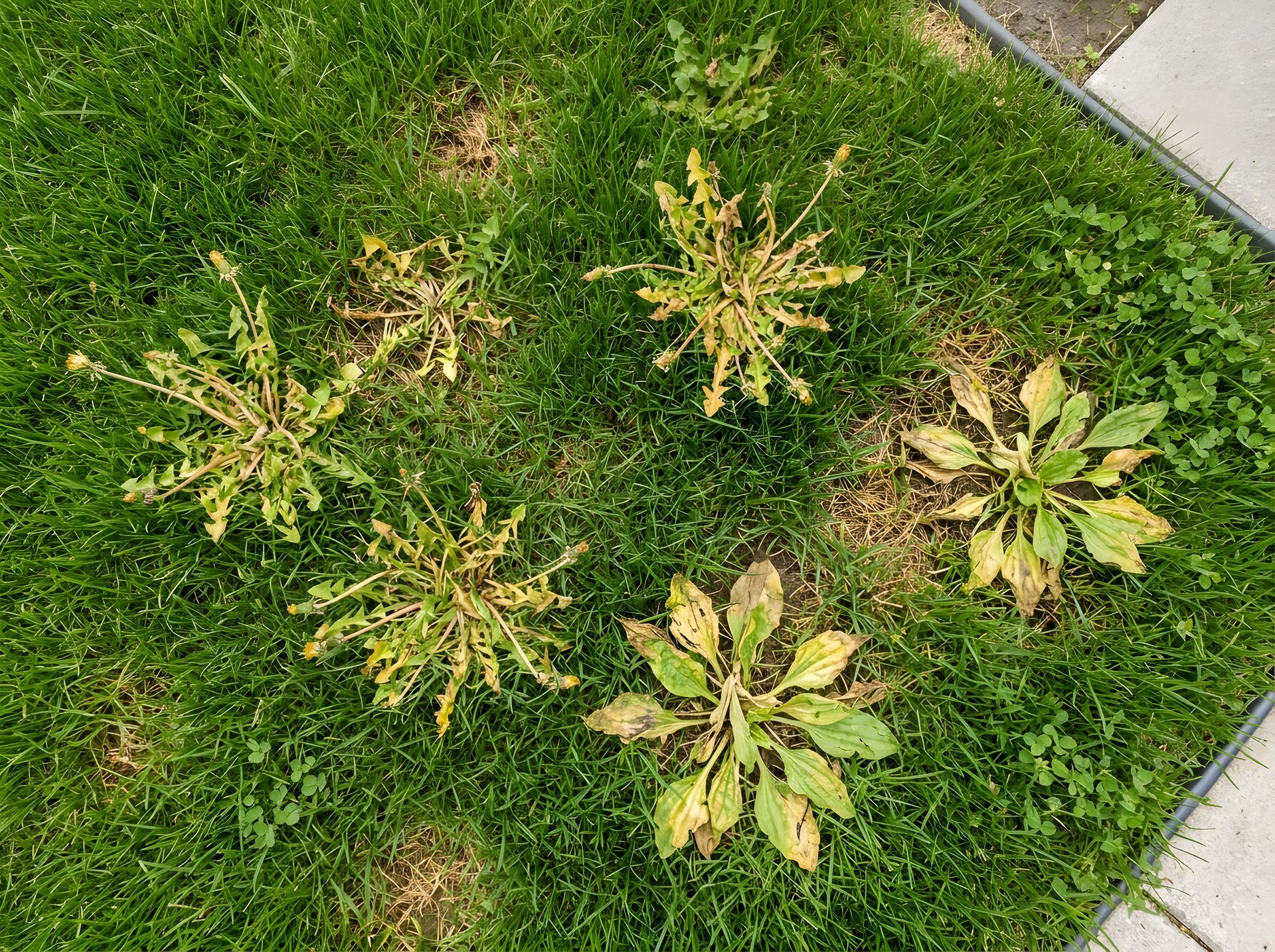
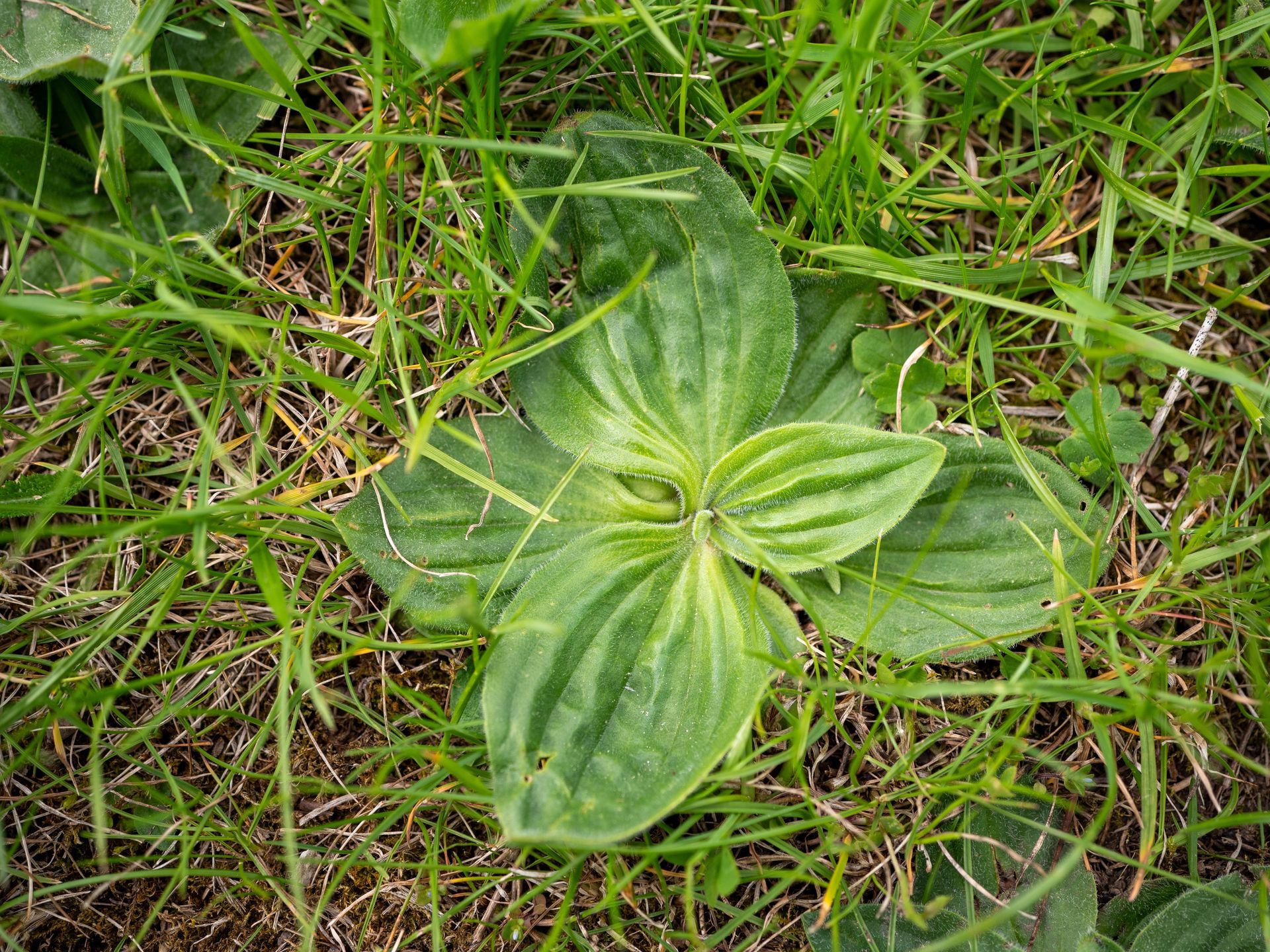
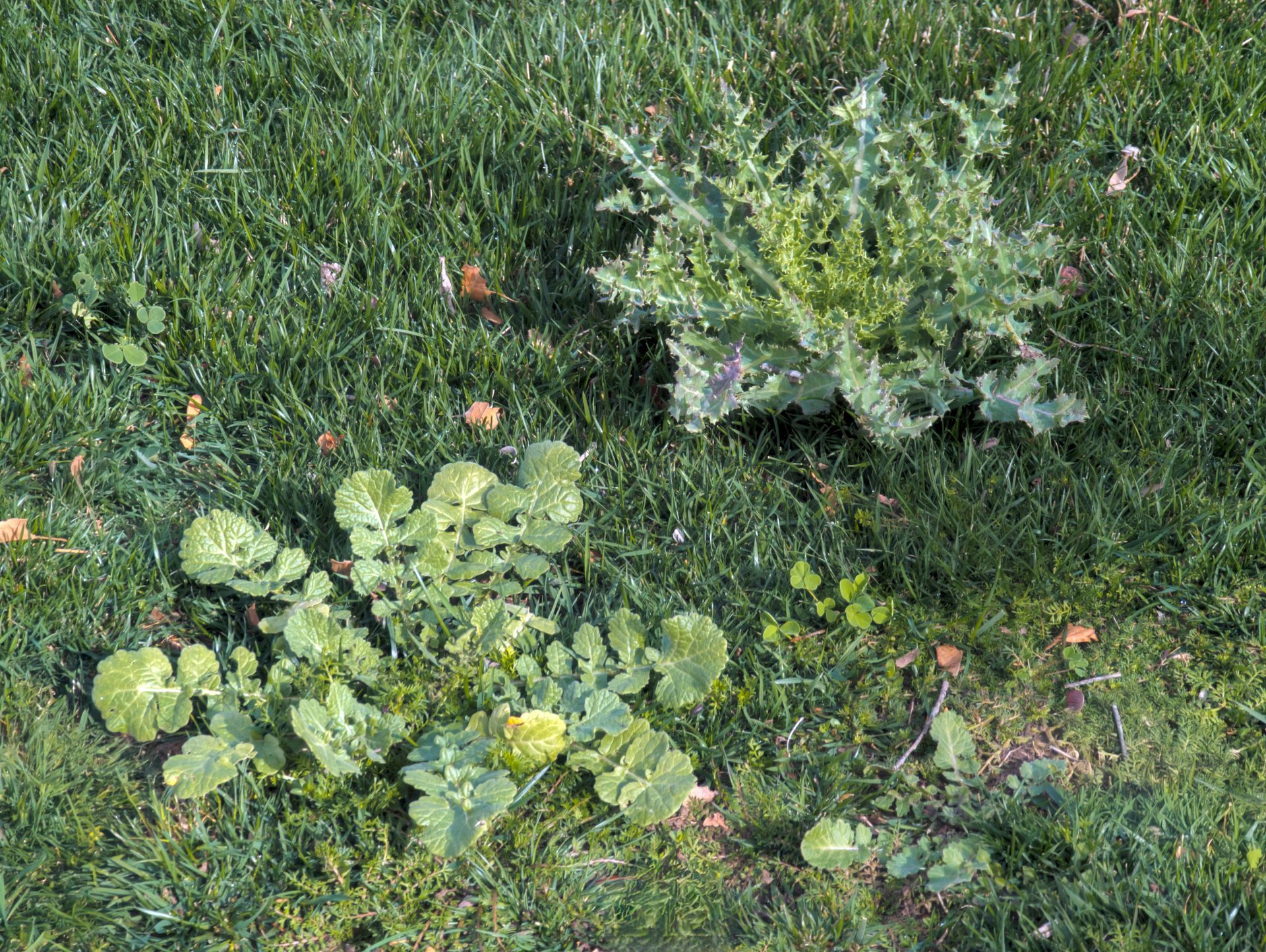
Two broadleaf weeds that tend to surge after a wet stretch are dollarweed and doveweed. Dollarweed, recognized by its round, coin-shaped glossy leaves, signals areas of excess moisture and poor drainage. It spreads through seeds, rhizomes, and tubers, which makes it difficult to eliminate once it takes hold. Doveweed germinates later than most summer annual weeds and needs sustained moisture at the soil surface to take off. Both weeds move quickly through thin or stressed turf, filling gaps before the grass has a chance to recover.
The other factor many homeowners overlook is irrigation. Even during the rainy season, many Jacksonville households run their sprinkler systems on a fixed schedule. When natural rainfall combines with regular irrigation, the lawn can receive far more water than it can absorb. That excess creates the soggy, poorly drained conditions that make lawn weed control in Jacksonville, FL, so much harder to maintain through the summer months.
How to Adjust Your Weed Control Plan After a Wet Summer
Adjusting your lawn weed control plan in Jacksonville, FL, starts with an honest look at what the summer left behind. Here are the key steps we recommend working through.
Walk the Lawn and Assess What You See
Start with a slow walk across the entire yard. Note areas where water pools or the ground stays soft after rain ends. Look for round leaves, grass-like plants that seem out of place, and patches where your St. Augustine looks thin or discolored. Dollarweed clustered in certain spots usually points to a drainage or irrigation issue that should be addressed before any broadleaf weed control application can provide lasting results.
Adjust Your Irrigation Before Anything Else
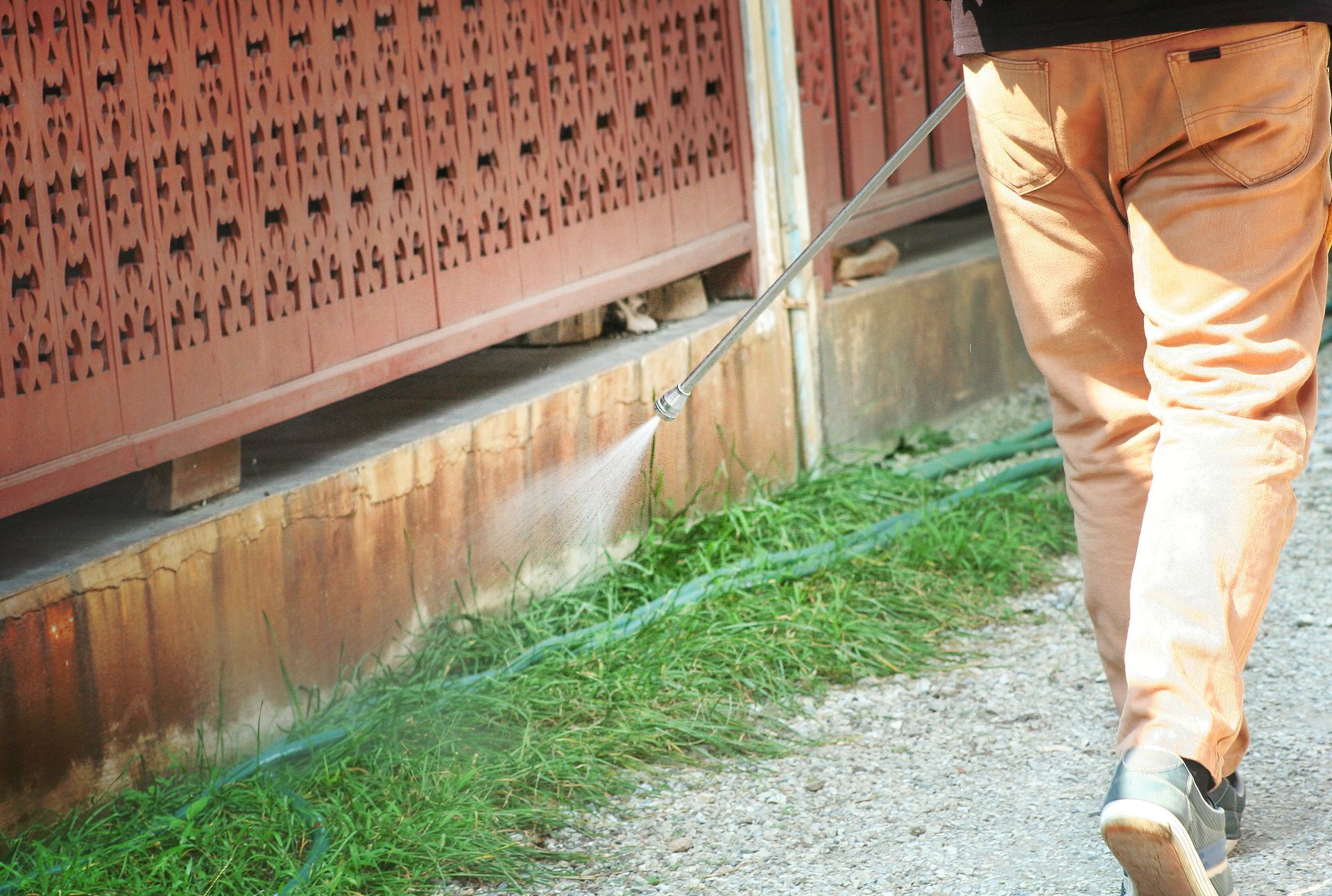
A weed control application will not hold if the conditions feeding the problem remain unchanged. Check your irrigation heads for broken or misaligned sprayers. Reduce run times during the weeks following a wet stretch. Allowing the soil to dry slightly between watering cycles reduces the soggy conditions that broadleaf weeds depend on.
Understand What Pre-Emergent and Post-Emergent Applications Do
These are two different tools that work at different points in a weed's life cycle. Here is how each one fits into our approach to lawn weed control in Jacksonville, FL.
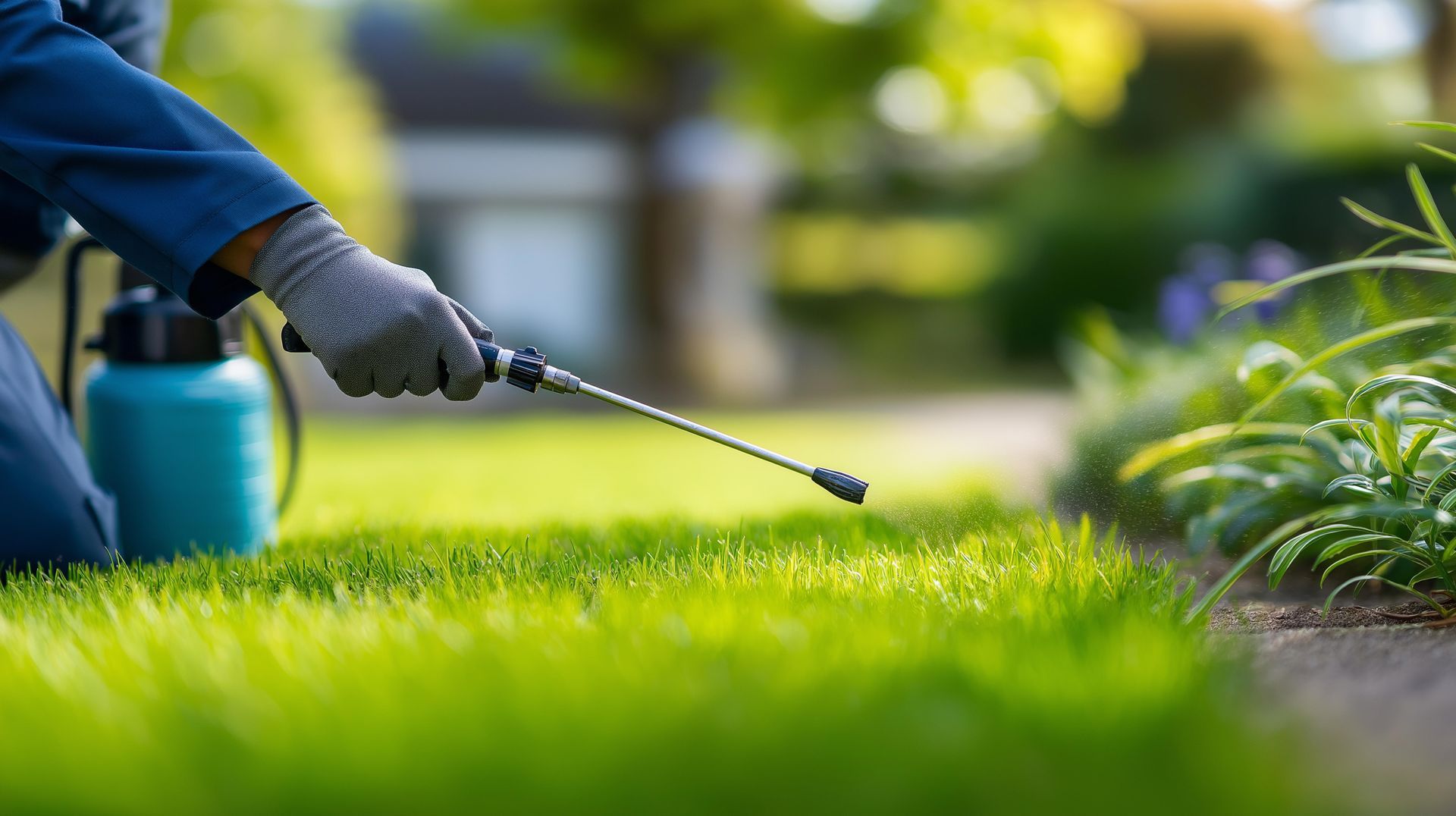
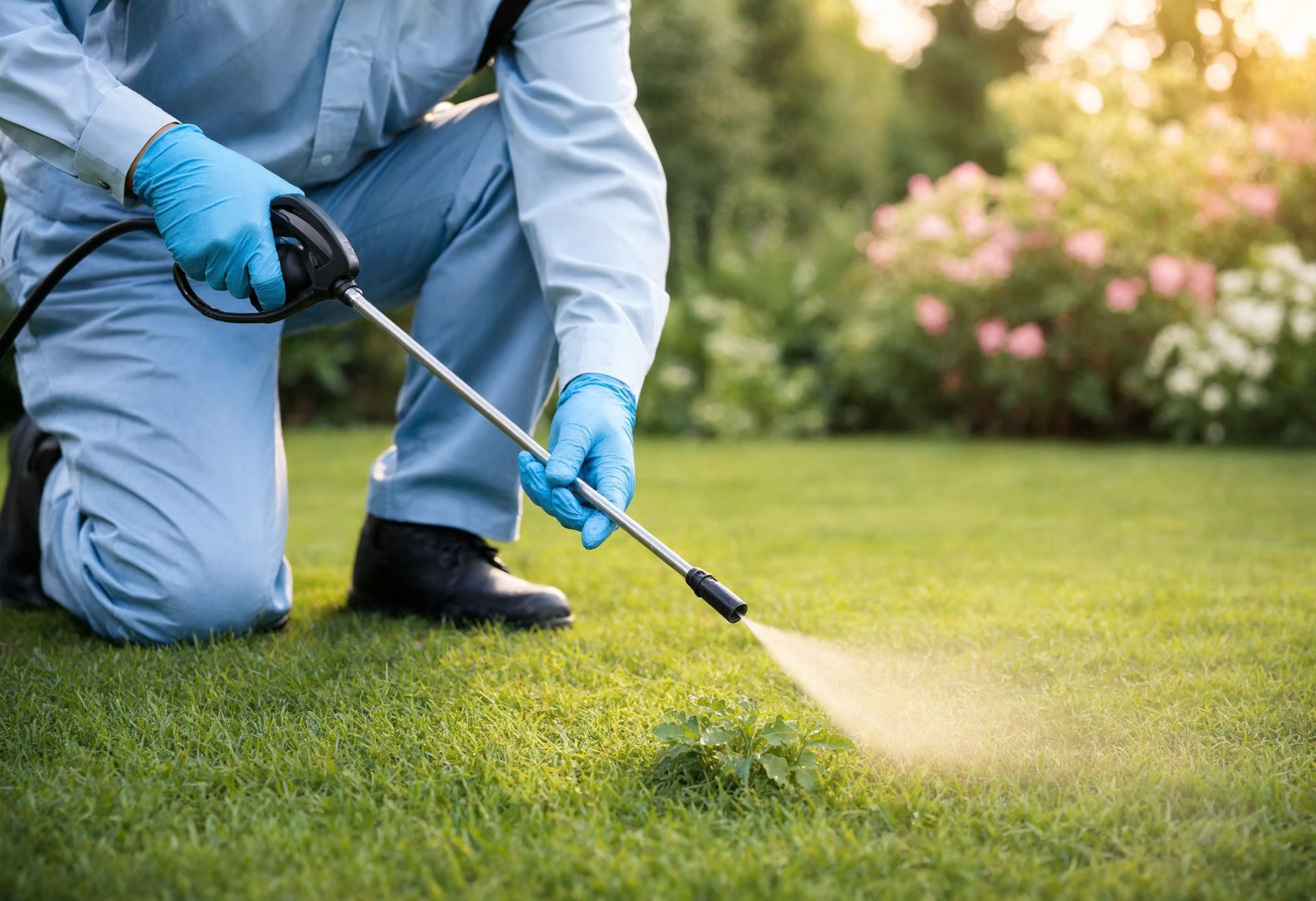
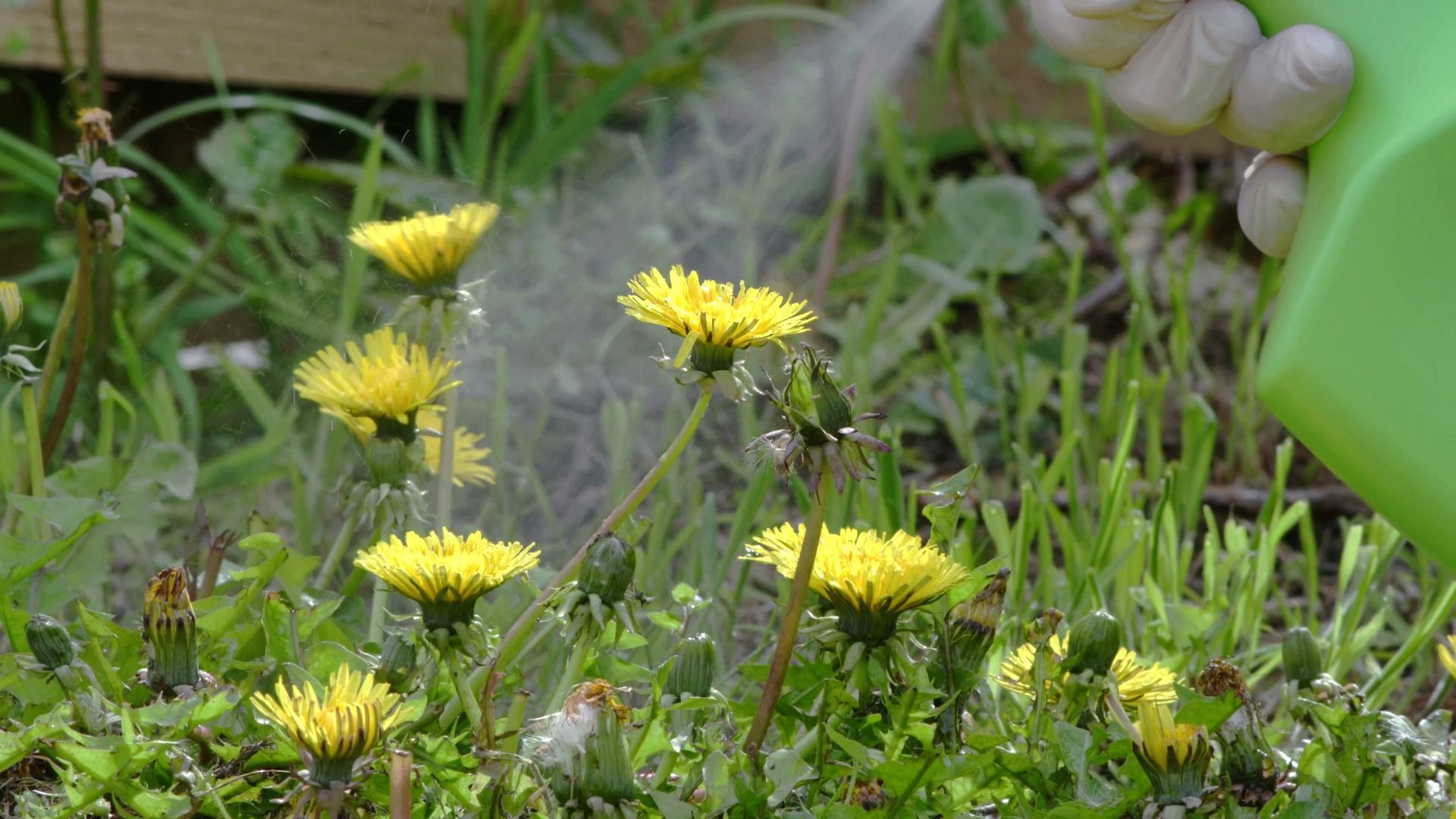
A pre-emergent application creates a barrier in the soil that prevents weed seeds from germinating. In North Florida, spring pre-emergent applications are typically timed around late February to early March. For fall weeds like Poa annua and common chickweed, a fall pre-emergent is generally applied around October, once nighttime temperatures begin to cool consistently. A post-emergent broadleaf weed control application targets weeds that are already actively growing and is usually the more immediate need after a wet summer. Post-emergent applications for St. Augustine lawns are generally most effective when air temperatures are below 85 degrees Fahrenheit and the turf is not drought-stressed or freshly mowed.
Time Your Fall Pre-Emergent Correctly
Once consistent overnight temperatures settle into the mid-50s to low 60s Fahrenheit, typically in late October in the Jacksonville area, a fall pre-emergent application can help block winter annual weeds before they gain a foothold. Heavy rainfall months tend to build up weed seed banks in the soil, ready to germinate as conditions cool, making this step especially important after a wet summer.
Support the Grass While Managing Weeds
Weed control works best when the turf itself is healthy. A properly timed fertilization program supports steady grass growth through the fall recovery period. Pairing broadleaf weed control applications with fertilization gives the lawn a better chance of filling in thin spots before winter annual weeds find an opening.
Keep an Eye on Turf Insects Too
Wet conditions do not only benefit weeds. St. Augustine lawns can face added pressure from insects like chinch bugs and sod webworms after a humid summer. These pests can weaken turf rapidly, creating the thin, stressed patches that weeds move into next. If you notice irregular brown areas that do not respond to watering, pest activity may be a contributing factor worth evaluating alongside any weed management program.
Take the Next Step for Your Jacksonville Lawn
Lawn weed control in Jacksonville, FL, is most effective when pre-emergent timing, post-emergent applications, irrigation management, and turf health are all working together. Our team at B&B Exterminating Company, Inc. — see what our Jacksonville neighbors are saying about us has served Jacksonville and Northeast Florida since 1938, and our lawn care program includes pre-emergent and post-emergent broadleaf weed control alongside fertilization designed specifically for St. Augustine grass. Call (904) 389-3323 to request a quote, or visit our Jacksonville service area page to learn more about programs available for your neighborhood.